Policy watch: The candidates on transportation energy


A few of the stories available about some of the campaign statements Obama and McCain have made regarding alternative vehicles, alternative fuels, and transportation fuel efficiency:

A Glimpse into Transportation at Large...


High speed rail conversations
High speed rail is being explored in California, Texas, and southern states. [Sources: San Jose Mercury News, Temple Daily Telegram, NBC]

National lab work on alt fuels
As one of the flagship nationial research labs, Argonne National Laboratory is working hard to develop alternative fuel technologies. [Source: Voice of America]

Walk or drive?
Navitime is launching a service with its route-mapping system, accessible from PCs or certain cell phone models, that tells you the number of calories you'd use walking a route vs. driving it.
[Source: Network World]

30 Billion Miles

Vehicle miles traveled (VMT) in the U.S. have decreased for the 6th straight month. The number of highway miles driven from November 2007 to April 2008 in the U.S. fell 1.7 percent from the previous year. Public transit ridership continues to increase as a total of 30 billion fewer miles were driven between November and April. Cambridge Energy Research Associates say the gasoline price shock has finally caught up with consumers. This is the "steepest decline" in U.S. driving mileage since the 1979-1980 Iranian Revolution that caused the oil shock resulting in a significant drop in mileage over those two years, said the Department of Transportation's spokesman Doug Hecox. In April of this year alone Americans drove 1.4 billion fewer highway miles than they did in April 2007. [Source: Reuters]

4 Day Week 3 Day Weekend

Why commute five days a week when you could only commute four? Vermont state senator Vince Illuzzi, R-Essex/Orleans has proposed state offices and schools add an extra day to the weekend to help save on fuel prices. As heating and transportation fuels increase Vermonters are spending more and more money. Consequently, if state offices and schools only had to be heated 4 days a week, and if those who are forced to commute long distances in our rural state could take an extra day off a significant amount of money and fuel could be saved. The idea has not been completely written off, but there would be some obstacles to overcome including meeting the required number of school days. The cities of Birmingham, Ala. and Avondale, Ariz. are among an increasing number of places that have decided to implement the 4 day work week. [Source: Burlington Free Press]

The Rail Comeback

Passenger rail all but disappeared in Vermont and many other parts of the nation in the last 50 some odd years, but now it may be making a comeback. Vermont recently appointed Robert Ide, formerly of the Department of Public Service, to direct Vermont's rail programs. Rail advocates such as Mike Coats, chairman of the Vermont Rail Council, are excited that Ide will takeover this position as they are confident he knows what needs to be done to get rail moving again. Ide may not have the easiest ride, however, as the rail system in Vermont is outdated and non-existent in some places. Whereas, people looking to travel out of state by train 50 or more years ago would have several choices, today they have very few. The rail lines that do transport people out of state, such as the Amtrak Vermonter line, have seen increases in ridership of 14 percent and higher in the past year. As a result, Ide and other rail enthusiasts eyeing raising fuel costs and the potential for this viable alternative may have some room to bring rail in Vermont forward. [Sources: The Reformer 1 & The Reformer 2]

Premium, No Thanks!

Premium gas sales are falling, while cars requiring the higher-octane fuel are rising. In 1997 premium fuel sales held 16.6 percent of the market, in 2007 they claimed only 9.4 percent. From 2006 to 2007 premium sales dropped 0.1 percent. Nevertheless, this year there are 282 new vehicles requiring the fuel, in 2002 only 166 new vehicles required premium as their fuel. Drivers, however, regardless of their car requesting or requiring the fuel are deciding regular or midgrade will do. As a result, gas stations around the nation have been running out of the lower grade fuels for up to two days. Measured by volume, premium sales in March 2008 were 0.4 percent lower than in April 2007. [Source: New York Times]

Locally Grown Fuels

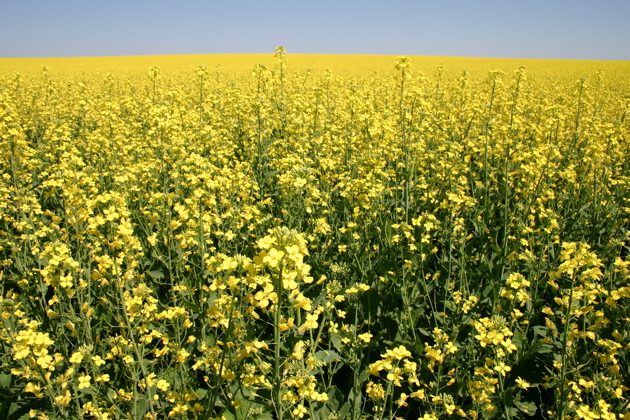
The past 6 months have been a rollercoaster ride for biofuels. They have been criticized as an environmentally dangerous alternative, and praised as a partial way out of our dependence on foreign oil. Of little mention in this criticism, however, is where these biofuels come from and which of these fuels we should be wary of. There could be an argument against the large-scale production of ethanol from food crops, but how about biodiesel from locally grown canola. Vermont farmers are experimenting growing canola, a crop that could not only be used to produce biodiesel at $2.34 a gallon, but could also help clean up Lake Champlain and other waterways. By pressing the canola seeds the fuel is created and the waste product can be fed to cows, thus the phosphorus from imported dairy feed that pollutes Vermont's lakes, rivers, and streams is cut out. Currently seed presses to create the biodiesel are few and far between, but this could change if farmers decide growing this crop is practical. [Source: Burlington Free Press]

Green Labels

California has enacted regulations that will require labels grading all new vehicles sold in the state on their environmental impacts. The labels, similar to an inspection sticker in that they will be required on all vehicle models after 2009, will show vehicle ratings on a 1-10 scale. A score of 10, the highest possible score, will denote cars with the least environmental impacts. There are separate ratings for smog and global warming. The label will show the average vehicle ratings to exemplify where certain vehicles stand on the spectrum. Mary Nichols, California's Air Resources Board Chairwoman, says the labels will "arm consumers with information", further adding that "consumer choice is a powerful tool in our fight against global warming". [Source: MSNBC]

In Other Vermont Transportation News...

Ride Your Bike
The Growing bicycle culture in Vermont... [Source: The Reformer]


Vermont Transit Ridership
Out of the car and onto the bus. [Source: The Reformer]


Make Way for the Pathway
Bennington may get its long awaited pedestrian and bicycle path. [Source: Rutland Herald]


Cheaper
New Yorkers visit Vermont to fuel up for less. [Source: Burlington Free Press]


Forget Carpooling
Burton employees create a bikepool. [Source: Burlington Free Press]

A Glimpse into Transportation at Large...

Win $300 Million
McCain proposes: build a better car battery and you could win a large sum of money - $300 million to be exact. [Source: New York Times]

Oil Rally
Will the oil price push follow in the footsteps of the dot-com rise and fall of 2000? [Source: Bloomberg]

Biodiesel Business
The EU will investigate the U.S. exports of biodiesel. [Source: New York Times]

Roadway Runoff
How to green the highways... [Source: Boston Globe]

Need to Get Around
The 2001 Segway hype may be back as sales are sailing. [Source: Wall Street Journal]

Mr. President
Bush looks to offshore drilling to remedy high oil prices. [Source: CNN]

Oil Advertisements
Oil companies do everything they can to ward off anger over gas prices. [Source: Wall Street Journal]

Hydrogen

Honda unveils first hydrogen fuel cell vehicle intended for mass production. [Source: New York Times]

Hybrid SUVs

Chrysler wants a piece of the hybrid market and looks to SUVs as their niche. [Source: San Francisco Gate]

MPG or GPM
A recent study published in Science Magazine says rating vehicles based on gallons per mile rather than miles per gallon would help consumers better understand their savings. [Source: EE News]


I Walked to School Up Hill Both Ways...
The cost of fuels may have more students walking to school next year. [Source: Washington Post]

Weekly Petro-Stats

Gas at the Pump, Vermont

This Week (June 19-24) = $4.085/gallon
Last Week (June 12-18) = $4.080/gallon
Last Year (June 12-25, 2007) = $3.005/gallon


Crude Oil Futures

This Week (June 19-24) = $135.67/barrel
Last Week (June 12-18) = $135.07/barrel

The Nation's Response to Gas Prices

The price per gallon of gasoline continues to be the infamous topic of conversation for most Americans. Recent prices at the pump are no longer causing the typical cringe and the swipe of the credit card. Americans are changing their behavior in response to fuel prices. Moreover, most Americans (8 out of 10) believe high prices are here to stay, thus many are saying lifestyle change is a must. The national average per gallon of gasoline has gone up 59 cents since February of this year. As a result of these price trends, federal data and recent gallop polls show that miles driven in the U.S. have decreased for the past five consecutive months starting in March and counting backwards to November. The U.S. has not seen a decline like this since 1979 when gas shortages caused backups at gas stations nationwide. Furthermore, 6 out of 10 Americans polled by the USA Today said they were carpooling and 82 percent of the 1,007 U.S. respondents to a national energy survey by RBC Capital Markets said they will consider buying a hybrid when they purchase their next vehicle. Seventy one percent of the 1,017 polled by the USA Today said gas prices have caused a financial hardship for their household. [Sources: USA Today & Green Car Congress]

Bad Behavior

Behavior change in response to high fuel prices does not always come in the form of dependence on carpooling and public transit to save on fuel costs. Fuel thievery is on the rise as prices increase. There have been several reports throughout New England and around the country of gas being siphoned from cars, construction equipment and school buses. Mobile sources of gasoline are not the only targets; oil is also being drained from home heating fuel tanks. In Maine a bus ran out of gas en route to school after several buses were the victims of gas siphoning. Vermont state police and other state authorities are urging truckers and other drivers to lock their gas caps. One hundred and ninety gallons of diesel fuel was stolen from two tractors trailers in St. Johnsbury recently. Officials say if fuel prices continue to increase they expect fuel thefts will also rise. [Source: Boston Globe]

Tourism

Many people are planning on vacationing closer to home this summer in response to high gas prices. Others have crossed the idea of a vacation out altogether. As a result, resorts, inns, and vacation destinations across the nation including Vermont are opting to provide further incentives to possible vacationers who may be weary of making the trip. Gas credits are the number one incentive many places trying to attract travelers are offering. Some vacation spots, such as the Wilder Farm Inn in Waitsfield Vermont are taking it even further offering, however, rebates for those who drive hybrids or carpool to get to their inn. The Iannuzzi's, owners of the Wilder Farm Inn, have said that four people have already taken advantage of the deal. [Sources: WCAX & The Open Press]

Fuel Prices a Pain for Transit Too

One would think high fuel prices could only be a benefit to transit providers with the mass exodus from the single occupancy vehicle (SOV) to public transit, but unfortunately for transit companies, especially smaller providers, fuel prices are trouble for them as well. Diesel fuel is averaging approximately $4.80 on a national scale and providers like Brattleboro Vermont's BeeLine are feeling the pressure. Rising fuel prices are good news in that ridership is increasing, but even ridership increases mean figuring out how to accommodate to riders on now crowded buses, while still having to face the burden of high fuel costs. The BeeLine for one will most likely be raising its rider fee from 75 cents to 1 dollar, but even with increased ridership and higher fees other options may need to be explored. One of these options may be the elimination of the stop-on-demand service. Nevertheless, Rebecca Gagnon, the BeeLine's coordinator says service cuts would be their last resort to reduce costs. [Source: Reformer]

Smaller Vehicles

Vermont car dealers are seeing a change in trends. Some car buyers are simply buying more fuel efficient vehicles, but others who are less willing to jeopardize the image their vehicles provide for them are buying smaller cars to use as second automobiles says Bill Shearer, owner of Shearer Chevrolet in South Burlington. Larry Lussier of Heritage Toyota says many people are ready to trade in their SUVs for smaller vehicles that get better gas mileage. Heritage alone has 49 Toyota Priuses pre-sold and Mr. Lussier said the hybrid electric vehicle would be their top seller in the past few months if they had more to sell. Dan Bokan, the general manager of Shearer Chevrolet said truck sales are down, but cars sales are definitely up. He attributed this to the fact that drivers with a 16 gallon tank vehicle driving on average 15,000 miles per year could save at least $400 switching from a vehicle that gets 20 mpg to one that gets 23 mpg. [Source: Burlington Free Press]

Carpooling

Carpooling may be the quickest and possibly the easiest remedy for high gas prices. In knowing this, the Vermont Agency of Transportation (VTrans) is reworking its system of helping people around the state organize carpools. A new website is set to be online this fall for people to coordinate sharing rides or taking the bus, says VTrans' public transit administrator Chuck Gallagher. The new site aims to be more user friendly with the hopes of linking people to additional forms of alternative transportation. At present Vermont offers 12 commuter bus routes to get people to and from work. Mr. Gallagher says the legislature added another $350,000 to the budget that funds these routes. The new website will offer "one-stop shopping" for transportation options of which carpooling and these bus routes will be a part. [Source: VPR]

In Other Vermont Transportation News...

Gas Prices and the Long-Term
Focusing entirely on short-term solutions to rising gas prices won't cut it. [Source: Burlington Free Press]

Food and Fuel
Governor Douglas recently announced the state will be creating a task force to help Vermonters combat the high costs of fuels and food. [Source: Boston Globe]

And the Award Goes To...
Way to Go presents awards to those most committed to changing their commuting habits. [Source: Burlington Free Press]

Save on Gas, Head Outdoors
How to enjoy Vermont without spending money on gas... [Source: Times Argus]

No More Gas
If you can't buy it then you can't sell it - local gas stations are closing their gas pumps because of high costs. [Source: Reformer]

Volunteer Bus
Gas prices hit the Betty Boob Bus (a volunteer run service) hard. [Source: Reformer]

A Glimpse into Transportation at Large...

Bumpy Road Ahead
Some say oil prices could hit $150 a barrel by early July. [Source: Google Associated Press]


Gas Guzzling States
Montana leads the nation in gasoline consumption per capita. [Source: Great Falls Tribune]


Bye Bye
A possible goodbye to the Hummer as GM announces plans to focus on smaller vehicles. Ford to downsize production of F150 as well. [Sources:Wall Street Journal & Yahoo News]


Beer and Biodiesel
Anheuser-Busch, the EPA, and the New York State Energy Research and Development Authority (NYSERDA) are getting together to green a part of the company's fleet. [Source: 7th Space]


No Longer Waste
Waste veggie oil, an alternative, but not enough to go around. [Source: New York Times]


Leaving the Car Behind
People in the nation's car capital are changing the way they live because of rising fuel prices. [Source: Freep]


Change the Roads
How changing the infrastructure of U.S. roads could help save on gas... [Source: NPR]

Weekly Petro-Stats

Gas at the Pump, Vermont


This Week (June 5-11) = $4.002/gallon
Last Week (May 29 - June 4) = $3.959/gallon
Last Year (May 29 - June 120 = $3.044/gallon


Crude Oil Futures


This Week (June 5-11) = $133.67/barrel
Last Week (May 29 - June 4) = $125.67/barrel

No End in Sight

The story remains very much the same, gas prices continue to rise as crude oil prices break new records nearly every week. Several people including politicians and oil market analysts are optimistic that prices will soon level off and begin to decrease, but others are saying there is no end in sight for rising fuel costs. In fact, Arjun N. Murti an analyst at Goldman Sachs, who has become what the New York Times call the oracle of oil with several very accurate forecasts, is predicting a coming price surge that will put crude oil above $200 a barrel. If correct, as Murti has been in the past predicting, among other historic points, when oil would surpass $100 a barrel, the price per gallon would rise to $6. Already many areas of the U.S. are paying $4 or more at the pump with crude oil having jumped above $130 a barrel. [Sources: New York Times, Washington Post, Bloomberg]

The Question of Ethanol

The production and use of biofuels, especially ethanol, in the transportation sector has been a debate since the beginning of their introduction as a possible mainstream alternative to fossil fuels. The use of food crops to produce fuel and the impact it is having on food prices is the most recent argument against the use of ethanol and other biofuels. As a solution, investors have begun promoting the use of grasses and weeds to make ethanol. However, this solution may also cause severe problems. At a United Nations meeting last week, several scientists from the Global Invasive Species Program, the Nature Conservancy and the International Union for Conservation of Nature reported that many of the plants proposed as the solution to using food crops for ethanol production are invasive species that could cause significant economic and ecological problems if they were to be grown and harvested at a large or even small scale. Is it time to wave goodbye to ethanol? [Sources: New York Times, Washington Post, Boston Globe]

CNG

Is the U.S. neglecting to take advantage of an opportunity that could further diversify the fuel options available to U.S. drivers? Compressed Natural Gas, an alternative to petroleum, sells at about a $1 less than gasoline, but has barely been made available to the U.S. consumer market. The U.S. has the 6th largest natural gas reserves in the world, but only consumers from two states, New York and California, can purchase natural gas vehicles. Moreover, although there are 800,000 natural-gas-powered vehicles of which there are several makes, only one type of vehicle is available in the U.S. - the Honda Civic GX. Honda sold 459 Civic GXs last year in New York and California. Jeffrey Seisler of Clean Fuels Consulting says people are suffering at the pump because too few alternative fuels have been made readily available to consumers. [Source: Boston Globe]

Hybrid - Electric

Honda Motor Co. has announced that it will unveil an exclusively hybrid sedan for purchase next year. The vehicle will be made available in Japan, North America and Europe as the company hopes to hybridize 10 percent of its fleet by 2010. Honda also plans to add a hybrid version of the Fit to the market. Moving even further in the direction of electric powered vehicles, Bob Shrier, founder of Liberty Electric Cars Ltd. and a graduate of Middlebury College, has announced that his United Kingdom based company will invest £30 million in the production of high performance electric vehicles. It is unsure whether any of these pure electric vehicles will hit the US market, but in other HEV news, Toyota Motor Corp., the world's biggest automaker, has set the goal of selling 1 million hybrid vehicles annually by 2010. [Sources: Reuters & Auto Industry]

Water, Vinegar, and Gasoline

With relatively few alternatives to the gasoline powered vehicle on the market, smaller companies and individual motorists are creating their own alternatives. Chad Bradshaw of Richmond, Vermont is one of these innovative motorists. Experiencing the high costs of fuel first hand as the owner of a construction business, Chad began searching for a feasible alternative that could save him some money and do some good for the environment. His search ended when he found MagDrive, a company based out of Georgia specializing in a conversion kit that supplements the gasoline powered car with hydrogen. The MagDrive kit uses distilled water and vinegar to create a hydrogen-oxygen gas liquid that is then injected into the intake system and mixed with the gasoline. The conversion allows vehicles driven on average 30 miles a day to get between 20 and 60 percent better fuel economy. The unit, which can cost between $700 and $1,600, is said to provide a savings of 35 percent in fuel costs. [Source: Burlington Free Press]

Popular Park and Ride

With increasing gas prices, soaring bus ridership, and carpooling on the rise, Vermont's Park and Ride facilities are overflowing. Interstate 89's exit 11 Richmond Park and Ride has 105 parking spaces, but as of the past few months the lot has seen several more vehicles than it has spaces to park. Vermont has 27 Park and Ride facilities of these 27 Richmond's is the state's second largest. Nevertheless, 105 spots is just not enough, people have been parking on the grass, placing their vehicles wherever they can find space. As a result, and with the expectation that people will continue to seek alternatives to the single occupancy vehicle (SOV), the state is building a 60 space gravel lot in Richmond to accommodate the influx of vehicles. [Source: Burlington Free Press]

In Other Vermont Transportation News...

Some Say Yes & Some Say No
With the release of Vermont's draft energy plan some are happy and others are a bit perplexed. [Source: Burlington Free Press]


Getting on Board
Rail is the more efficient transportation answer, but when will it make a full-on comeback in the Northeast? [Source: Hippo Press]


Reducing Your Transportation Footprint
Researchers and mechanics including Mechanic Keith Corkins and the UVM Transportation Research Center's Director, Lisa Aultman-Hall, offer a bit of insight on how to "green" your transportation habits. [Source: WCAX]


Medicaid
The Vermont Public Transportation Association will remain in its administrative position of transporting Medicaid patients. [Source: Reformer]


Roads and Bridges
Another $14 million has been made available for road and bridge repair. [Source: Burlington Free Press]

A Glimpse into Transportation at Large...

Travelling Less
For the first time since 1979 the miles driven on public roads in the U.S. declined in the month March. [Source: United Press International]


The Yellow Bus
The EPA continues to provide funding to help reduce the pollution emitted by school buses. Approximately $174,000 was just awarded to Erie County, New York. [Source: EPA]


Environmentally Friendly Warranties
What is the automotive sector guaranteeing? [Source: Warranty Week]


Ethanol
After investing in more than 30,000 ethanol fueled trucks and minivans the post office is consuming millions of gallons more in fuel. [Source: Bloomberg]


Trucks
Ford is revising its truck design and plans to debut a smaller, lighter, more fuel efficient pickup. [Source: Detroit News]

Gas Prices and Behavior Change

How do drivers change behavior in reaction to higher gas prices? Recent Vermont media stories describe anecdotal evidence of changes in consumer behavior such as increases in bicycle and scooter sales (See Clean Cities Archives). Academic research indicates that changes in behavior occur over one to five years and only if the higher prices are sustained. For example, a study from Europe estimates every 10 percent increase in gas prices will reduce fuel consumption by 2.5 percent in the first year, and 6 percent in total over multiple years (Goodwin, Dargay, Hanly: 2004). A recent study by the Congressional Budget Office suggests that 10 percent increases will only reduce gasoline purchases by .06 percent in the short term and 4 percent in the long term. Fuel consumption drops more rapidly than miles traveled for three reasons: Drivers first save fuel by driving more efficiently (slower, less sharp braking, etc. - Learn More!), by choosing routes that burn less gasoline and by driving the most fuel efficient vehicle in their household. The impacts on rural residents are greater than in urban areas (Pew Survey).


Evidence exists in Vermont that fuel consumption is declining, e.g. gasoline sales in March 2008 were 15 percent below the sales of March 2007 (http://rs6.net/tn.jsp?t=ezh9tncab.0.0.78995ccab.0&p=http%3A%2F%2Fwww.leg.state.vt.us%2Fjfo%2FTransportation.htm&id=preview) yet accurate data on the impacts of higher gas prices on consumer behavior is lacking. The Transportation Research Center is collecting data on Vermont transportation energy use for a report to be produced this summer. Send us your story!


Richard Watts
Research Director
UVM Transportation Research Center


Become a Vermont Clean Cities Guest Contributor! Send us your article with sources!

Weekly Petro-Stats

Gas at the Pump, Vermont


This Week (May 21-28) = $3.870/gallon
Last Week (May 14-20) = $3.759/gallon
Last Year (May 14-28) = $3.028/gallon


Crude Oil Futures


This Week (May 21-28) = $131.21/barrel
Last Week (May 14-20) = $126.15/barrel

Petro Reserves

The Strategic Petroleum Reserve (SPR) won't be receiving any more oil in the coming months. A bill to suspend the diversion of 70,000 barrels of oil a day into the U.S. reserve passed on Tuesday May 13, 2008. Passing with enough votes to avoid a presidential veto the measure will suspend any additions to the SPR until the end of 2008 or until the price per barrel drops to $75. 46 Republicans broke from the Bush Administration and helped pass the bill unanimously with a vote of 92-6. There is still a disagreement, however, of whether or not this suspension will reduce the burden of high gas prices on the consumer. The reality is, 70,000 barrels makes up a very small percentage of the 85 million barrel demand per day worldwide. [Source: Wall Street Journal]

Travel Survey

The National Household Travel Survey (NHTS) will be polling over 1,500 Vermont households over the next year. This 40 year old survey is designed to provide data on the public's use of the transportation system. As an attachment to the national survey, The Chittenden County Metropolitan Planning Organization, the Vermont Agency of Transportation, and the University of Vermont Transportation Research Center (TRC) have partnered with the US Department of Transportation (DOT) to collect more detailed travel data for Vermont. The TRC, among other tasks, will be in charge of providing summary results of the data specific to Vermont as it becomes available. In total the DOT survey will collect travel behavior information from 150,000 households nationwide. Vermont is one of 19 "add-on" areas for this years NHTS. [Source: Burlington Free Press]

U.S. Confrontation & the Price of Oil

If disagreements between the U.S. and Venezuela persist will Venezuelan President Hugo Chavez cut oil exports to the U.S.? Phil Flynn, an analyst with Alaron Trading Corp., says this is more than a possibility. If the OPEC member nation were to cut the U.S. off from direct exports the U.S. would likely still receive Venezuelan oil through middlemen. Nevertheless, oil prices would certainly soar. In the meantime crude oil prices are continuing to rise and break records. $126 a barrel was the new record set on Friday May 9th. As the price per gallon of gasoline in Vermont inches toward $4, the price per barrel of crude oil is tinkering around $125. People in some regions of the U.S. including parts of California are already experiencing gas prices above $4 a gallon. [Source: Washington Post]

Bicycles in the Spotlight

The production of cars often ends up in the American spotlight, but what about the production of bicycles? In 2007 the number of bicycles made worldwide was twice the number of cars. During the 1990's and early 2000's bike production slowed down, but with increased concern for the environment, human health, and the price of driving, bike production is soaring. 130 million bicycles were produced in 2007 compared to the 52 million cars produced. Although biking is still underused for transportation in the U.S. accounting for only 0.9 percent of all trips, U.S. cities are looking to kick this trend and hope to double their bicycle and pedestrian routes in the coming years. In European cities, like Copenhagen, 36 percent of their commuters bike to work. [Source: Earth Policy Institute]

Public Transit: A National Trend

It is no surprise that public transportation ridership continues to rise. In larger metropolitan areas in the northeast where mass transit systems have long been in place ridership has increased by 5 percent. In places like Boston and New York 5 percent is no small number, nevertheless, people in these cities are rather accustomed to public transit. It is the cities in the west and south where people have typically been less likely to get out of their cars that the rise in transit ridership is even more significant - 10 to 15 percent. Public transportation ridership in more rural areas also continues to rise significantly. Stagecoach Transportation that serves Vermont and New Hampshire has seen increases on its predominant commuter routes rise 20 to 50 percent. With these increases Americans will likely consume slightly less gasoline this year than last - the first yearly decline since 1991. [Sources: New York Times & Concord Monitor]

Way to Go!

Way to Go week in Vermont was the way to go. With beautiful weather gracing the Green Mountain State last week, by Wednesday those participating had already reduced green house gas emissions by 200,000 lbs. Although not quite at the goal of 500,000 lbs Vermonters were well on their way at mid week. With over 567 organizations and 2,738 people participating Way to Go participation has increased by leaps and bounds over the years. Way to Go saw an increase of nearly 1,000 people involved this year over last and more than 2,000 more registrants this year than in 2005. Thanks to each of the 2,738 participants it is estimated that 9,640 gallons of gas were saved equaling a savings of approximately $35,000 (based on the average current gas prices). To learn more visit Way to Go. [Sources: Times Argus & Boston Globe]

In Other Vermont Transportation News...

Hybrid NASCAR

Hybrids don't necessarily have to be just gas friendly commuter cars... [Source: UVM Communications]

A Glimpse into Transportation at Large...

Save the Oil Companies
The American Petroleum Institute is determined to brighten the image of oil companies. The institute has announced it will do so with a multimillion-dollar ad campaign over the next few years. [Source: Washington Post]


Grease Thieves
Not long ago businesses had to pay to get rid of waste grease, now they have to protect it from organized crooks. [Source: Biofuels Digest]


Ethanol Brew Kit
Why go to the gas station when you can brew your own ethanol? [Source:Reuters]


Toyota Stock
The world's second largest automaker, Toyota, is seeing profits drop. [Source: Bloomberg]


Tougher Emission Standards
Arizona will toughen tailpipe emission rules. [Source: Arizona Central]

Weekly Petro-Stats

Gas at the Pump, Vermont


This Week (May 7-13) = $3.671/gallon
Last Week (April 30 - May 6) = $3.609/gallon
Last Year (May 1-13) = $2.948/gallon


Crude Oil Futures


This Week (May 7-13) = $124.64/barrel
Last Week (April 30 - May 6) = $116.82/barrel

Oil Investigation

Oil prices continue to break records rising above $115 a barrel just over a week ago. At the same time Exxon Mobil and other giant oil companies are experiencing record profits. Consequently, Vermonters and U.S. citizens nationwide are weary of the rich man getting richer while everyone else suffers at the pump. The call by the Vermont Senate for an investigation by the attorney general into gasoline and diesel market manipulation is the result of this phenomenon and has caused a bit of a spark. With this spark came the dispatch of the American Petroleum Industry's chief economist, John Felmy, to Montpelier to testify against the Senate Resolution. The lead sponsor of the resolution, Robert Starr, D-Essex-Orleans, says states need to come together on this investigation because those in D.C. are too invested in the oil companies. Felmy said he was astonished by this resolution - the first of its kind in the U.S. [Sources: Burlington Free Press 1 & Burlington Free Press 2]

Not Such a Smooth Ride

The Douglas Administration's Operation Smooth Ride has been everything but in the legislative process. The proposal that would put forth $3 million in funds for emergency road repairs has spent some time in the House Transportation Committee. As a result, Neale Lunderville, Transportation Secretary put a hold on priority road repair projects. When first proposed the question was, where is this $3 million coming from? Now the issue is where does this money go? The administration had planned to put the money toward Class 1 town highways, whereas the House Transportation Committee would like to see some of the money go to the towns. Other issues have also surfaced concerning this money and certain bridge projects in the state. In the meantime Vermont roads are in dire need of maintenance. [Source: Burlington Free Press]

Move Over America

The International Energy Agency has reported that emerging markets will consume more crude oil this year than the United States. This is the first time this has ever happened, says the Paris based agency. With a combined population of 2.45 billion people in China and India and an 8 percent growth in their economies car ownership and their demand for oil is on the rise. Russia and the Middle East are also among these emerging markets that are estimated to grow 4.4 percent and consume 20.67 million barrels a day compared to the U.S.'s estimated consumption of 20.38 million barrels a day. Consequently, crude oil prices will likely remain high at an average of $120 a barrel, topping $150 by the end of the decade, regardless of the U.S. economic downturn. [Source: Bloomberg]
The People on the Bus

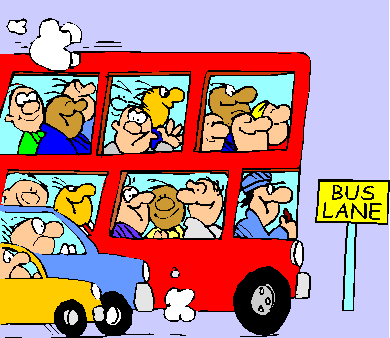
Transit lines in Vermont are now reporting with confidence that ridership is up due to rising gas prices. Deerfield Valley Transit, the Brattleboro BeeLine, and Connecticut River Transit are just a few of the states' transit providers seeing jumps in ridership. The BeeLine expects their number of riders to hit 70,000 at the end of their 2008 year - a 20,000 rider increase over 2006. Connecticut River Transit has seen a 10 percent increase in both March and April and attributes people getting on the bus to their frustration at the pump. With increased ridership across the board, many of the Green Mountain State's bus companies are looking to better their services in any way possible, which for some means buying more buses, increasing routes, purchasing biodiesel, and most importantly looking for grant money. [Source: The Reformer]

Trail Finder

After two years of hard work, Local Motion, a bicycle, pedestrian, and alternative transport non-profit advocacy organization has launched its Trail Finder website for Chittenden County. The site, underwritten by Burlington's Ski Rack, offers easy access to 75+ trails. With the help of 50 volunteers who collected much of the information for the site, local Vermonters and visitors can now navigate the Trail Finder to retrieve maps, directions, as well as learn about special trail features. This new resource also allows those using it to submit photos and comments on the trails. The site was unveiled on Earth Day, April 22nd, just in time for the late spring early summer weather. Visit the Trail Finder at http://www.localmotion.org/ [Sources: Burlington Free Press & Local Motion]

Clean Cars and More

Burlington's Church Street, although typically only open to foot traffic, saw some vehicles grace its brick walkway on Earth Day. 10% Challenge Alliance for Climate Action in partnership with Vermont Clean Cities Coalition and others hosted its 4th Annual Clean Car (and more) Show on April 22nd. The show consisted of over 25 different vehicles, including a Solar Bus, a Smart Car, a Hydrogen Car, and several others. The show and other activities, drawing attention to initiatives working to reduce the threat of Global Warming, were an interactive way of getting Vermonters and visitors to Burlington involved in thinking about reducing our individual carbon footprints. If you were unable to attend the show view the video here. [Sources: WPTZ & Burlington Free Press]

In Other Vermont Transportation News...

Delayed Rail
With cut backs in funding improvements to the state's rail system will see more delays . [Source: Rutland Herald]


Bernie Attacks Bush
Vermont's Independent Senator, Bernie Sanders, attacked Bush's plan to reduce the use of fossil fuels while addressing Global Warming saying it is 7 years late and not nearly strong enough. [Source: WCAX]


Bike Safely
There are over 750 bicyclist deaths in the U.S. each year, 96% of them involve crashes with motor vehicles. As a result the Vermont Bicycle and Pedestrian Coalition teaches lessons in road safety. [Source: Times Argus]


Telecommunication Awards
Vermont Telecommunications Authority releases its 2008 grant winners... [Source: Burlington Free Press]


Food & Fuel
How food and fuel impact our environment... [Source: Times Argus]


Bellows Falls Transit Center
New Transit Center to be built in Bellows Falls says Connecticut River Transit . [Source: Rutland Herald]


$1 Million for the TRC
UVM Transportation Research Center awarded a million dollars from the Department of Transportation. [Source: Burlington Free Press]

A Glimpse into Transportation at Large...

Going Green
Engineers and designers in several industries including the auto industry will go green piece by piece. [Source: The Detroit News]


55 Years of Oil
Shell Oil Company says it has enough oil to maintain production at current levels for the next 55 years. [Source: Financial Times]


Gas Consumed
Vermonter's consumed 10 gallons of gasoline per person per week in 2006 - where do other states stand and where are we heading? [Source: Oakland Tribune]


Venezuela says...
Food for Fuel is criminal. [Source: Bloomberg]


Railroads are Full Steam Ahead
Rail is on the rise. [Source: Washington Post]


Suspend the Gas Tax?
Clinton and McCain see eye to eye on suspending the federal gas tax this summer. Obama, however, firmly opposes this proposal. What do you think? [Source: New York Times]

Weekly Petro-Stats

Gas at the Pump, Vermont

This Week (April 23-29) = $3.398/gallon
Last Week (April 15-22) = $3.421/gallon
Last Year (April 23- 30) = $2.860/gallon


Crude Oil Futures

This Week (April 23-29) = $117.45/barrel
Last Week (April 15-22) = $116.19/barrel

Oil Prices to Remain High

The United States Energy Information Administration (EIA) recently reported that petroleum sales are likely to fall this year, but costs will remain high. With a slowing economy and high fuel costs the EIA report says the consumption of liquid fuels will drop by approximately 85,000 barrels per day. Nevertheless, the price per barrel will likely average $101 for the 2008 year - a price $7 higher than last month's outlook. Gas at the pump is said to be $3.54 a gallon on average this summer, with the possibility of prices hitting $4 a gallon in California and the Midwest. [Source: Energy Information Administration]

Big Oil

Despite hard economic times and rising fuel prices Big Oil companies are making record profits. Consequently, the Vermont State Senate has called on Attorney General William Sorrell to begin a criminal investigation of major oil companies. Not knowing where the investigation may go, Sorrel is looking to find evidence of possible price-fixing, consumer fraud, or other unlawful activity. Exxon Mobil Corp. made a record $40 billion last year, while Roland Bellavance, head of a Barre trucking company and president of the Vermont Truck and Bus Association has said his company is spending $1.5 million more this year to fuel his fleet. The senate resolution also calls for Sorrel to partner with other states in this investigation. [Source: Burlington Free Press]

Money From Other Places

Roads in dire need of repair find the money, but not without some bad news to multi-modal projects. Brattleboro roads suffered, as did so many others in the state, this winter. Deep ruts in town and state highways have cost drivers their car's alignment, flat tires, and time. This will soon be fixed, but not without additional costs. Brattleboro, for one, will no longer receive money for its multi-modal project from the state this year. Although, the federal government will still provide Vermont with money for bike/ped and like projects, the state has redirected its $114,000 multi-modal allotment to the road emergency fix-up fund. The multi-modal project in Brattleboro has already seen a two year delay, and John Leisenring, Brattleboro's finance director, says the project isn't getting any cheaper. [Source: The Reformer]

Slow Down & Save Some Money

Slowing down could make driving significantly cheaper. During the energy crisis of the 1970's a 55 mile per hour (mph) highway speed was instituted as a response to gas pumps running out of fuel. Today the most efficient speed remains in the 55 mph range. Although very unlikely that posted speeds will drop, making the decision to drive slower could save people a pretty penny. Driving fast affects your wallet so much that once you hit 60 mph on the highway, each additional 10 mph (70, 80, 90...) is equivalent to the price of gas rising by 54 cents a gallon. Roger Clark, a fuel economy engineer for General Motors says at highway speeds pushing air around takes up 40% of the vehicles energy. Drivers lose approximately 4 miles per gallon with each 10 mph jump in speed. [Source: CNN Money]

Food or Fuel?

Riots are breaking out around the world in Haiti and Egypt over the high prices of food. High fuel prices are also influencing violence in impoverished nations, while also leading to an increase in the use of ethanol and biodiesel in Europe, the U.S., and other wealthier nations. With the increased demand for ethanol and biodiesel, coming predominantly from food crops, a web of high food and fuel prices is causing complications. The price of corn in the U.S. has more than doubled in the last year driven partly by the demand for ethanol. World Bank President Robert Zoellick says biofuels are a major factor in the spike of food prices. [Source: NPR]

In National Clean Cities News...

"PHEV Publicity"
Vermont makes the National Clean Cities News with the PHEV report released by the University of Vermont Transportation Research Center, the host of the Vermont Clean Cities Coalition, and partners. [Source: U.S. Department of Energy]

In Other Vermont Transportation News...

Questions on Vermont's Energy Future

Passing of the state's energy bill sees questions from the Transportation Committee and others. [Source: Burlington Free Press]


$500K

It is official Bennington will receive $500,000 from an earmark secured by U.S. Rep. Peter Welch for a pedestrian underpass. [Source: Bennington Banner]


Toxins & Transit

Site in Montpelier with plans for a multi-modal transit and welcome center with millions in funds already secured to be tested for PCBs... [Source: Times Argus]


Idle-Free Updates

Idling Updates from Idle-Free Vermont... Click Here!

A Glimpse into Transportation at Large...

Diesel vs. Hybrid
New diesel-powered passenger cars are beginning to hit the market. They may not be quite as clean as other vehicles on the road, but could get better fuel mileage. Should hybrids be nervous? [Source: Business Week]


Alternative Fuel Vehicles on the Rise
Approximately 1.8 million alternative-fuel vehicles were sold in the U.S. last year - a 15% increase over 2006 sales. [Source: EE News]


Bike Library
Fort Collins Colorado has a new library in town - a bike library. [Source: The Denver Channel]


Silent Hybrids
Hybrid cars cause a problem for the blind. [Source: The Examiner]


Telecommute
Read up on telecommuting in the most recent release of The Teleworker.

Weekly Petro-Stats

Gas at the Pump, Vermont

This Week (April 9-14) = $3.333/gallon
Last Week (April 3-8) = $3.264/gallon


Crude Oil Futures

This Week (April 9-14) = $110.72/barrel
Last Week (April 3-8) = $106.91/barrel

Sources: Gas VT, Crude Oil

No Break in Rising Fuel Prices


Filling up on regular unleaded gasoline is no longer $20 or so dollars (depending on tank size) like it was a little over a half-decade ago. As a result, Vermonter's are feeling the weight on their wallets. Vermont residents are spending 60% more on liquid fuels than they were 5 years ago, a percent equivalent to $800 million. Even more, gas prices are expected to hit $4 a gallon by mid summer. With little relief in sight at the gas pump, people and businesses in the state are cutting their discretionary spending and looking to alternatives. Marble Valley Regional Transit District, a public-transit service in the Rutland region, has seen ridership increase as much as 35% on some routes in the past year. Furthermore, companies like Casella are adopting new limits on idling time. [Source: Rutland Herald]

Ethanol to Port

Not on Vermont shores, but will the state feel the impacts of the new ethanol plant planned for the Port of Albany? Regardless of recent criticism of the fuel, ethanol plants continue to pop up. Albany Renewable Energy's plant, to be located along 20 acres of waterfront property in New York, is among one of these pop ups. The $350 million plant plans to create 600,000 tons of cargo and bring 350 barges in and out of the Port of Albany a year. At present, no barges enter this port. The plant is set to be completed by late 2009 early 2010. [Source: American City Business Journals]

Increased Ridership = New Services


Ellen Atkinson, community outreach director for Marble Valley Regional Transit District, says people are now more willing to leave their houses 20 minutes earlier to avoid driving their cars. Consequently, ridership is booming and at least one new service is being added. A midday bus service from Rutland to Middlebury will hit the streets April 15th. Marble Valley Regional Transit and Addison County Transit Resources will connect in Brandon leaving Middlebury at 11:20 a.m. and Rutland at 11:30 a.m. to bring passengers north to south or vice versa. The decision to install this new route came after a survey of riders showed that 60% would like to see a midday service. Increased ridership on several routes throughout the state also helped in the decision making, and will likely be a factor in the development of new strategic plans. [Sources: Rutland Herald & Boston Globe]

Streetscape Revival

Pedestrians in the town of Richmond may be facing a brighter future. A Vermont Transportation Enhancement grant awarded to the town is helping to revive a streetscape project that if successful will level the playing field for pedestrians, motorists, and bicyclists. The $31,000 project hopes to bring aesthetic balance, along with commercial and transportation needs to the village center. Project leader, Erik Sandblom, a civil engineer and Kathleen Ryan, a landscape architect on the design team are working diligently on different revived streetscape options. The construction of one of these options could begin as early as next year. For more information visit http://rs6.net/tn.jsp?t=ey5xplcab.0.0.78995ccab.0&p=http%3A%2F%2Fwww.richmondvt.com%2F&id=preview. [Source: Burlington Free Press]

Crumbling Roads

Vermont roads are in rough condition this year after a winter that just won't seem to disappear. Governor Douglas says an emergency fix-up program is necessary. Consequently, the governor's administration is now on the hunt for an extra $3 million for the program the governor has named "Operation Smooth Ride". Neal Lunderville, Secretary of Transportation, announced today that he has found a way to free up this sum by taking money from the town highway emergency fund, a bike and ped fund, as well as borrowing from next year's allocation for road-leveling work. Nevertheless, some lawmakers are weary of where this $3 million is coming from, but don't disagree that paving and repair is necessary. The most recent pavement report deemed 21% of the state roads in very poor condition. A smoother ride would mean less congestion, which in theory would mean less green house gas emissions. [Source: Burlington Free Press & Burlington Free Press]

An Idling Law Set in Stone?

Arguments by the general manager of Mountain Transit Inc. of Milton, John Sharrow, to allow school buses to idle longer were unconvincing to lawmakers. A law passed in 2007 that bans school buses from idling on school grounds was initiated by Browns River Middle School students in Jericho. The students pushed the point that idling creates an unhealthy environment. The rules that govern the bus drivers say that a bus may not idle on school grounds for more than 5 minutes in a 60 minute time period. Sharrow's main argument was that, under these rules, bus cabins cannot warm up and that no consideration is being given to the driver and individuals in the bus. [Source:Burlington Free Press]

In Other Vermont Transportation News...

Carbon & Climate

Vermont's leading climate scientist takes a critical, yet optimistic look at carbon dioxide and our warming planet. [Source: Times Argus]

Goodbye to the Name Vermont Transit

A Greyhound merger means the end of the Vermont Transit name and a few jobs, but not any of the services. [Source: Times Argus]

Native Artifacts

An extension to a Chittenden County bike path runs into history. [Source: Burlington Free Press]

Safety Tips

Jericho Elementary Students and their parents get a lesson on safety through the Safe Routes to School Program. [Source: Burlington Free Press]

New Transit Headquarters

Addison County Transit Resources looks to build new $4 million headquarters. [Source: Addison Independent]

$500K for a Pedestrian Underpass

Representative Welch plans to bring some money to Bennington for a pedestrian underpass. [Source: Rutland Herald]

A Glimpse into Transporation at Large...

Cali Drops Expectations on Emissions

The bar has been dropped on California's Auto Emission Rule. [Source: Google AP]


EPA & Cleaner Diesel

The EPA's Northeast Diesel Collaborative is helping clean up school bus emissions in Puerto Rico, New Hampshire and other U.S. states concentrated mostly in the New England region. [Sources: Nashua Telegraph & EPA.gov]


Why not US?

Two-thirds of the 113 most highly efficient cars available to Europeans are not available to U.S. consumers. [Source: MSNBC]

Weekly Petro-Stats

Gas at the Pump, Vermont


This Week (March 26 - April 2) = $3.256/gallon
Last Week (March 19 - 25) = $3.255/gallon


Crude Oil Futures


This Week (March 26 - April 2) = $104.42/barrel
Last Week (March 19 - 25) = $102.10/barrel
Sources: Gas VT, Crude Oil